Live vital signs
Heart rate, breathing and temperature refresh about every 5 seconds, with trend charts. If readings stop, the screen says so instead of repeating the last value.
Contactless vital-sign monitoring for veterinary clinics
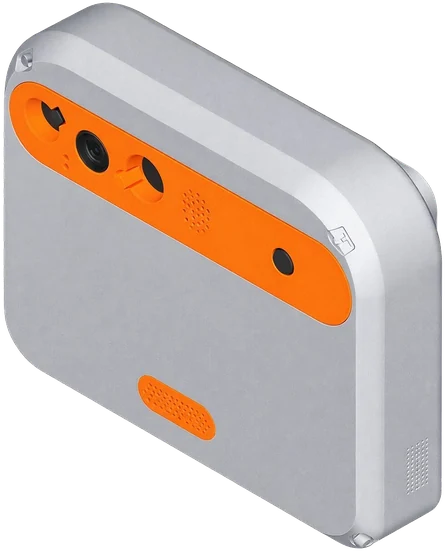
PetVision is a cage-side device for veterinary clinics, with a web dashboard and an Android app. A radar reads heart rate and breathing, a thermal camera reads body temperature, and your team follows the readings and alarms from a computer or phone.
The problem
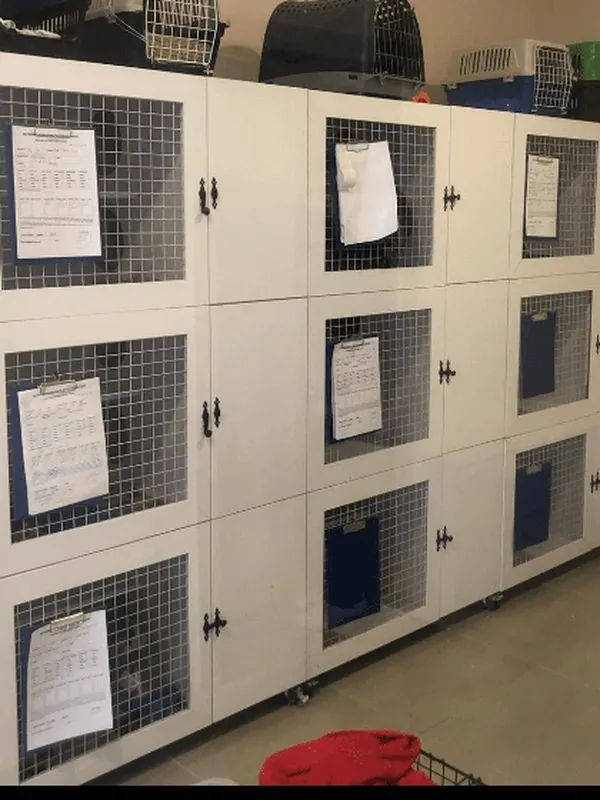
Typically, someone takes the temperature, counts breaths and listens to the heart at set times, then writes the values on a sheet at the cage. It works, but it is hard on anxious patients, and what happens between checks goes unseen.
A change in breathing or temperature can go unnoticed until the next round, especially on a busy shift.
Holding an anxious animal still for a reading is stressful, and stress itself raises heart rate and breathing.
Values written on a sheet at the cage are hard to read as a trend and hard to share with the rest of the team.
How it measures
The device is placed at the cage, facing the animal, and takes a new reading about every 5 seconds. Nothing is attached to the patient.
A radar sensor picks up the tiny body movements made by breathing and the heartbeat, and works out heart rate and breathing rate from them.
A thermal camera reads the heat given off by the animal's body. The vet enters one temperature taken by hand, and the device calibrates its readings to it.
A regular camera lets your team look in on the animal from the web or the Android app, and switch to the thermal image when needed.
Features
Heart rate, breathing and temperature refresh about every 5 seconds, with trend charts. If readings stop, the screen says so instead of repeating the last value.
Starting limits come from veterinary references for the species, weight and age, and the vet adjusts them. When a limit is crossed, the team's Android phones get a notification.
Look in on the patient through the regular or the thermal camera, from the web or the Android app. Sessions are recorded for later replay.
When monitoring ends, a printable report is ready, on your clinic's letterhead if you like, with trend charts, an alarm log and any gaps in the readings with the reason.
If the internet drops, readings are stored on the device and sent with their original times once it is back. A battery keeps it running through a power cut.
A clinic sees only its own patients and readings, and staff work with their own logins and permissions. Owners' contact details never reach the device.
Where we are
PetVision helps veterinary teams keep watch. It does not diagnose, and clinical decisions stay with the vet. Measurement is still being refined and has not yet been clinically validated.
Contact
Do you run a veterinary clinic and want to try PetVision, or would you like to know more about our work? Write to us.